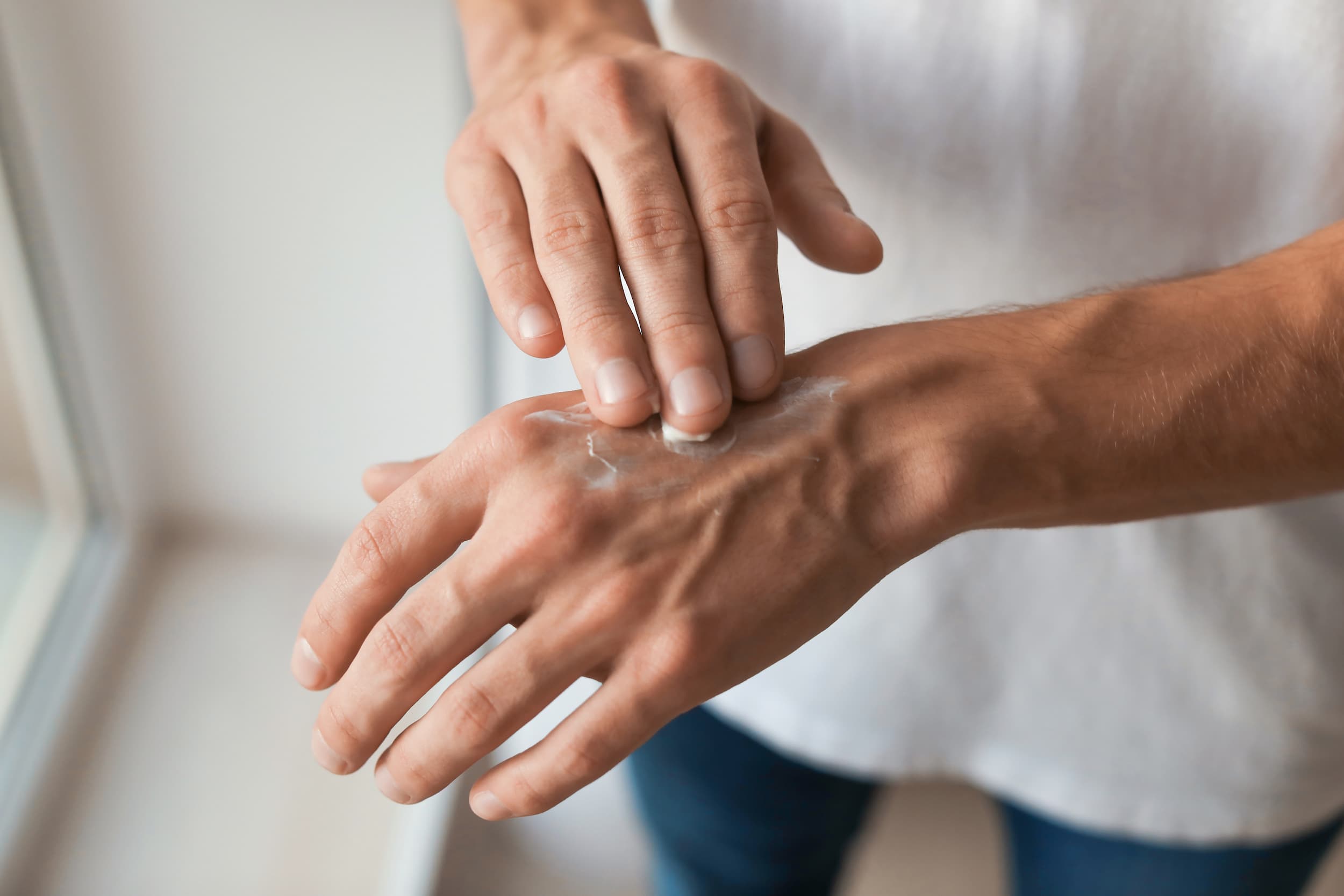
Flammability Risks
Some creams, particularly emollients, are flammable. This means that once the cream has been applied to the skin, you must avoid going near naked flames or heat sources. Always wash off old cream before applying a new layer to avoid a build-up on the skin.
Transfer to Fabrics
Creams can transfer from the skin to clothing, bedding, dressings, and bandages. When these materials are contaminated with dried-on emollient and come into contact with an ignition source, they can ignite much more quickly and burn more intensely than clean fabric. This can lead to severe burns or even death.
How to Reduce the Risk
To stay safe while using topical creams, it is recommended that you:
- Do not smoke, cook, or go near naked flames or heat sources (e.g., gas hobs, halogen heaters, electric bar fires, open fires) when wearing clothing or dressings that have been in contact with emollients.
- If avoiding heat sources is not possible, take precautions such as:
- Using a safety lighter or e-cigarette instead of matches.
- Removing long-sleeved or loose clothing before cooking.
- Wearing a clean, uncontaminated shirt, overall, or apron over your clothes.
- Keeping a safe distance from open fires or heaters.
- Change and wash clothing frequently, preferably daily. Wash items at the highest temperature recommended by the manufacturer. This may help reduce—but will not fully remove—emollient build-up.
- Prevent creams from drying onto cushions, soft furnishings, and bedding. Use uncontaminated throws or covers on chairs, and wash bedding often.
- Inform relatives or carers about your treatment so they can help monitor and reduce risks.
If You Smoke
Tell your doctor, nurse, or pharmacist if you smoke. They can provide support and advice to help you reduce or stop smoking, which will significantly reduce the risk of fire-related injury.
The Hidden Risks of Using Topical Creams: What You Need to Know
In community care, topical creams are part of everyday life. Whether used to treat dry skin, eczema, psoriasis, or other skin conditions, these products play an important role in keeping clients comfortable and healthy. Most people know to use their creams exactly as their doctor, nurse, or pharmacist recommends—but far fewer realise that some creams can also pose serious safety risks.
One of the most important (and often overlooked) risks is flammability.
Yes, Some Creams Can Catch Fire
It may come as a surprise, but certain creams, especially emollients, can be highly flammable. This doesn’t mean the cream bursts into flames inside the container. Instead, once applied to the skin, it can soak into clothing, bedding, or bandages. Over time, the residue builds up. If these contaminated fabrics come into contact with a flame or heat source, they can ignite much faster and burn much hotter than clean fabrics.
This can lead to life-changing burns, house fires, and even death.
Why Build-Up Matters
Every time you apply cream, a little transfers onto the fabric around you. Even washing clothes at high temperatures does not fully remove the residue. That is why it’s so important to wash off old cream before applying a new layer, reducing the amount that ends up on clothing and bedding.
Everyday Activities That Increase the Risk
While wearing clothing or dressings that may have emollient residue, you should avoid:
- Smoking
- Cooking over gas or electric stoves
- Sitting close to open fires or heaters
- Using candles, matches, or lighters
If avoiding these activities isn’t realistic, there are still ways to make things safer.
Simple Steps to Keep Yourself and Others Safe
Here are some practical ways to reduce the risk of fire while using emollient creams:
1. Be Careful Around Heat
- Use a safety lighter or an e-cigarette instead of matches.
- Before cooking, remove loose or long-sleeved clothing.
- Wear a clean, uncontaminated shirt or apron over your clothes if needed.
- Sit further away from heaters, radiators, or open fires.
2. Keep Fabrics Clean
- Change and wash clothes regularly—ideally every day.
- Wash bedding often and use clean covers or throws on soft furnishings.
- Treat clothing, bedsheets, and cushions as “high risk” if they’ve been in contact with creams.
3. Tell the People Around You
If you receive support from carers, family, or community services, let them know you use emollient creams. They can help monitor risks and encourage safe habits.
4. If You Smoke, Ask for Support
Let your healthcare provider know. Not only can they support you to reduce or stop smoking, but they can also help you plan safer routines around your treatment.
A Small Change That Makes a Big Difference
Topical creams are incredibly helpful for managing skin conditions, but like any treatment, they must be used safely. Understanding the fire risks and taking simple precautions can protect you, your home, and the people who support you.
If you are looking for care support in your home, get in touch with our friendly team today and we can work together to produce a personalised care package that suits you.